

Compliance That Fits E-Freight ERP Users
Turning E-Freight | EFC–ERP Freight Activity Into Electronic Invoices
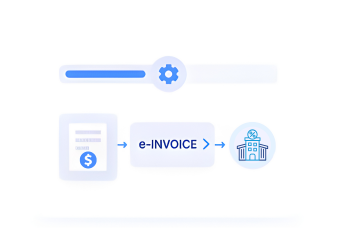
- Order Details Gathered: Relevant invoice and transaction details are collected from the E-Freight | EFC–ERP environment for structured invoice preparation.
- Invoice Data Reviewed: Key customer, item, and tax information is checked before electronic processing begins and document preparation continues.
- Required Fields Mapped: Available records are matched with the information needed for Cyprus e-invoicing and structured document processing.
- Document Structure Created: Invoice data is organized into a suitable electronic document for Peppol exchange and downstream processing.
- Electronic Invoice Routed: The prepared document moves through the appropriate Peppol-enabled e-invoicing connection for supported Cyprus transactions.
- ERP Records Updated: Processing information can be reflected back within E-Freight | EFC–ERP for continued invoice visibility and record tracking.
Extending E-Freight | EFC–ERP Into Cyprus Peppol Invoicing
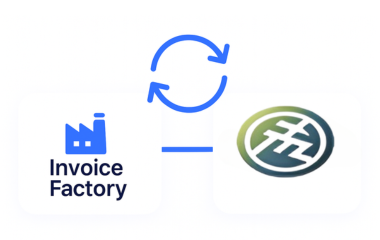
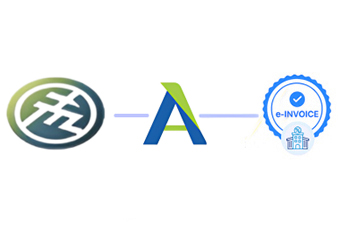
E-Freight | EFC–ERP manages operational and invoice information, while Advintek adds the electronic processing layer for Cyprus e-invoicing through the Peppol network.
- Converts relevant ERP invoice information into structured electronic documents.
- Supports consistent customer and transaction data handling.
- Connects invoice workflows with Peppol-based electronic exchange.
- Keeps processed invoice information aligned with existing ERP records.
Better Freight Invoice Administration With E-Freight | EFC–ERP
- Shipment-To-Invoice Visibility — Relevant freight activity can remain connected with the invoice created from that underlying service.
- Reduced Billing Re-entry — Existing operational information can be reused rather than manually recreated in another invoicing workflow.
- Clearer Charge Organization — Freight charges and service details can be arranged within structured electronic invoice information.
- Customer Context Preserved — Account information can continue accompanying associated billing documents throughout processing.
- Stronger Document Traceability — Shipment and invoice references provide useful connections between logistics activity and electronic records.
- Adaptable Freight Processing — Structured invoice handling can support organizations managing different shipment patterns and billing volumes.
Everything You Need for Cyprus E-Invoicing in One Place
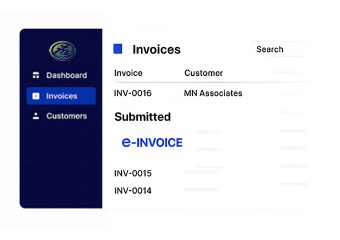
Real-Time Validation Feedback
Relevant logistics information can be converted into structured electronic invoice data for downstream processing.
Centralized Freight Dashboard
Shipment, customer, and invoice references can be aligned to support more dependable document relationships.
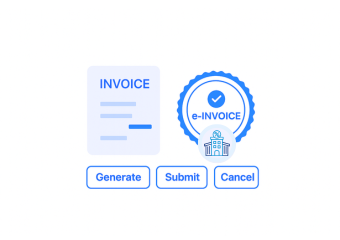
Continuous Compliance Support
Teams can monitor document movement across the connected workflow without relying entirely on manual follow-up.
E-Freight | EFC–ERP Supporting Cyprus E-Invoicing Requirements
The freight platform remains responsible for operational information, Advintek manages invoice preparation and connectivity, and Peppol provides the electronic exchange framework for applicable Cyprus invoicing.
- Structures relevant freight invoice information
- Connects operational records with electronic documents
- Supports Peppol-based invoice exchange
- Creates a repeatable route for invoice processing
With Cyprus E-Invoicing
Bring freight billing information into a structured Cyprus e-invoicing workflow.
Additional ERP, CRM, accounting, and business applications can also connect through Advintek's country-specific electronic invoicing integrations.
Ready e-Invoice System
Frequently Asked Questions E-Freight ERP E-Invoicing Cyprus
Can E-Freight | EFC–ERP connect with Cyprus e-invoicing through Peppol?
E-Freight | EFC–ERP can provide relevant freight, customer, service, and billing information, while Advintek supplies the electronic processing connection. Suitable invoice data can be structured and routed through the Peppol network for applicable Cyprus electronic invoicing workflows.
Which freight information can be used when creating electronic invoices?
Depending on the organization’s configuration, relevant information may include shipment references, customer details, transport services, charges, invoice identifiers, and associated transaction information. The actual fields available for processing depend on the records maintained within E-Freight | EFC–ERP.
Does Advintek replace the existing freight billing workflow?
No. E-Freight | EFC–ERP can continue supporting the organization’s freight and billing operations. Advintek works as an additional electronic processing layer, taking suitable invoice information from established workflows and preparing it for the connected Cyprus e-invoicing environment.
Can shipment information remain connected with electronic invoices?
Relevant shipment and invoice references can remain associated within the connected process. This helps teams relate electronically processed invoices to the underlying freight activity, customer information, and service records maintained through their existing E-Freight | EFC–ERP workflows.
Can the integration accommodate different freight billing volumes?
A structured connection can provide a repeatable route for processing invoice information across varying freight activity. By working from existing E-Freight | EFC–ERP records, Advintek can reduce repetitive document handling while supporting organizations with changing shipment and billing workloads.